
More Than Just Four Walls: A Conversation on Urban Agency with Warren Logan
At the Housing Action Coalition, we’re famous for fighting for "the units." We know that California’s affordability crisis is, at its core, a math problem. But if we only solve for the math, we risk building "warehouses for people" rather than vibrant communities.
Success isn’t just a certificate of occupancy; it’s the life that happens after the ribbon-cutting. To dive into how we build for that "after," I sat down with HAC member Warren Logan. Warren is a Strategic Partner to the Bodewell Group—working alongside fellow HAC board member Luis Cuadra—where they specialize in strategic communications and the complex delivery of urban capital projects. But today, we’re talking about Warren’s other role: co-host of the City People web series and podcast.
Corey Smith (CS): Warren, you and your co-host Sam Roxas are taking microphones into some of the most contested spaces in California. Tell the HAC audience: why are you recording on moving trains and windy rooftops instead of a quiet studio?
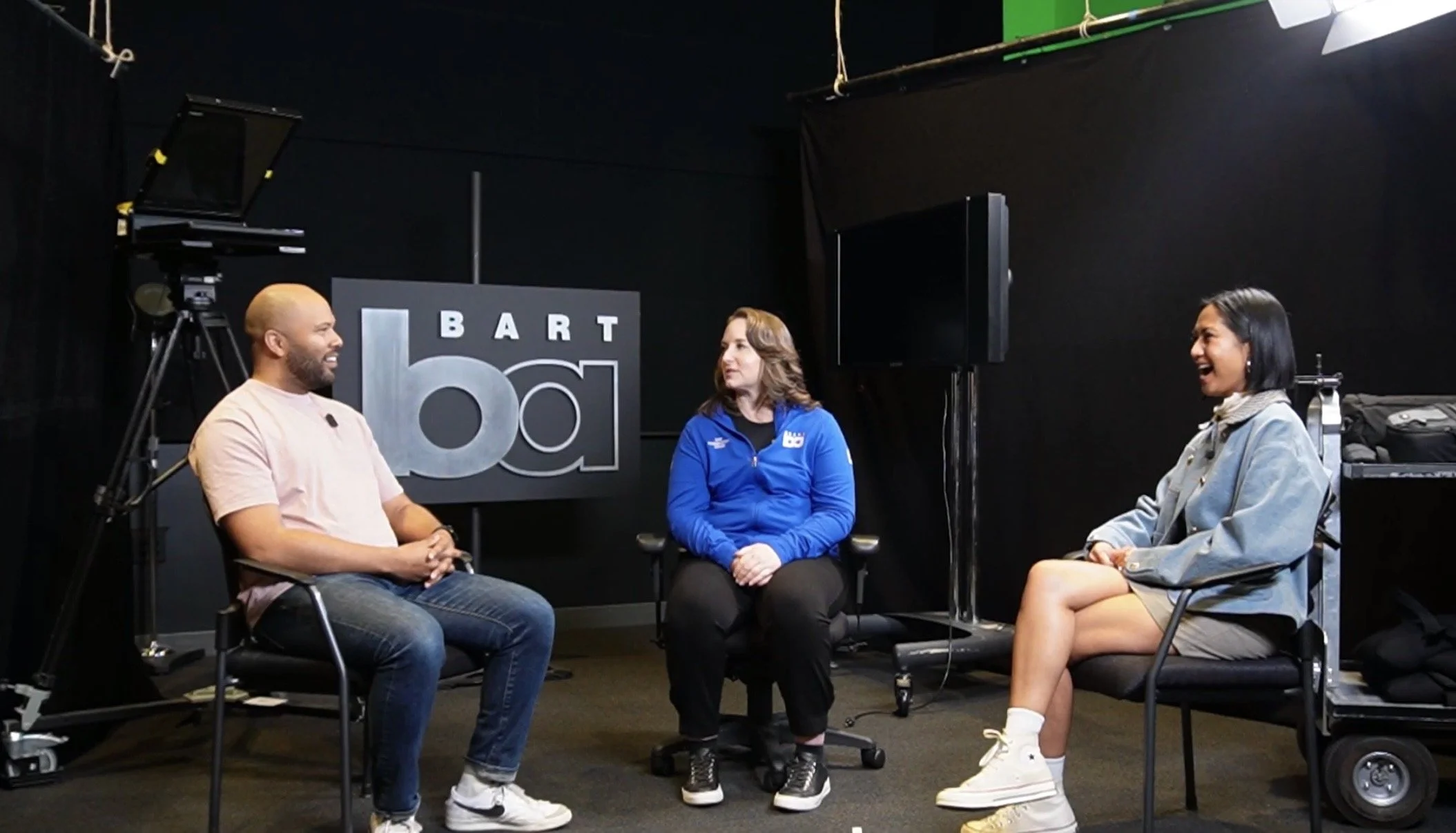
“Transit as the Destination” with Alicia Trost, Chief Communications Officer at BART
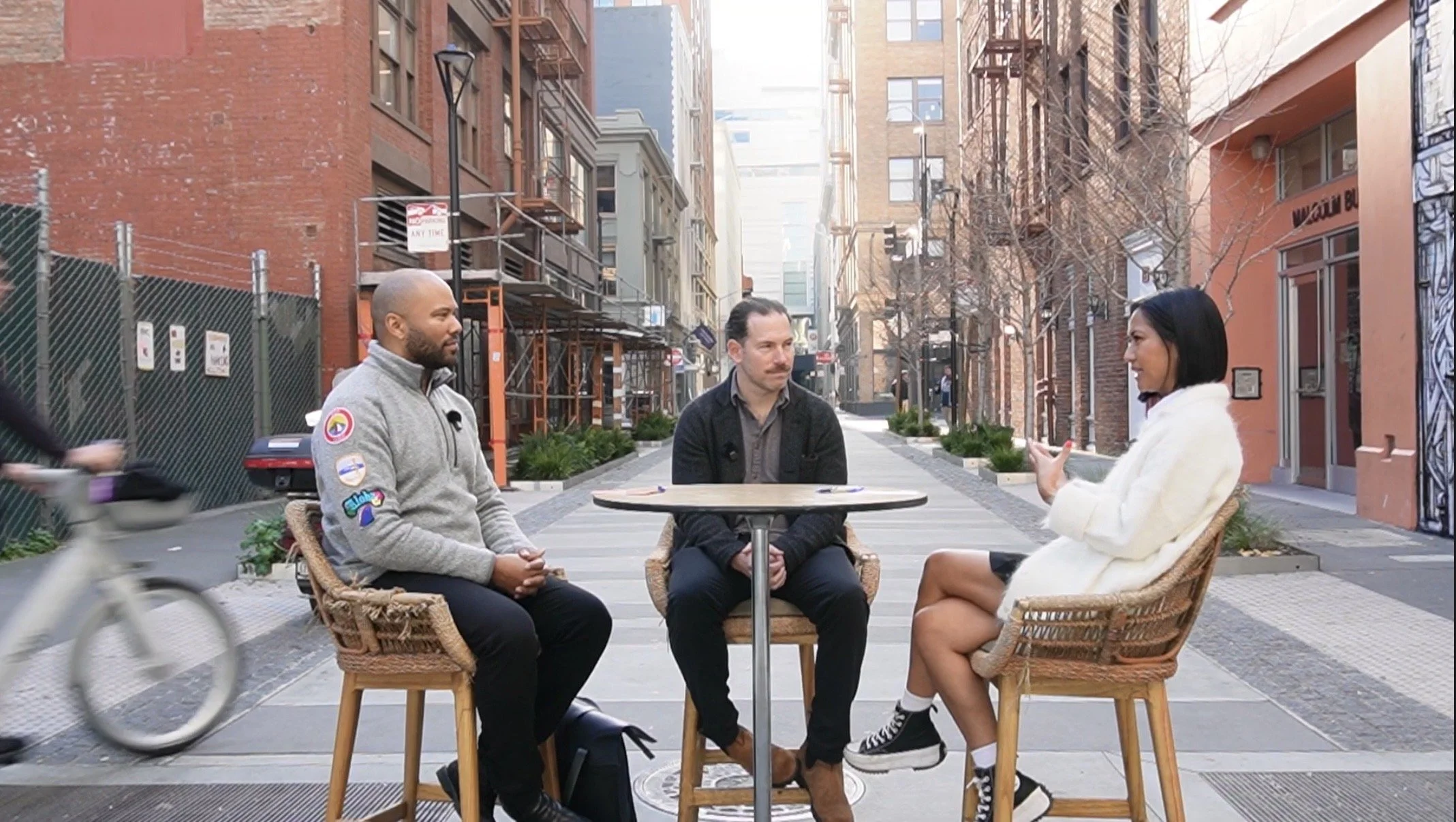
“Why Some Public Spaces Thrive While Others Fail” with Executive Director Luke Spray of Civic Joy Fund
Warren Logan (WL): Because the city is loud, Corey. Policy feels sterile when it’s in a PDF on a screen, but it’s messy when it’s on your sidewalk. At City People, we start with the person—their lived experience, their frustrations, their walk to the store—before we ever look at their resume. We want listeners to hear the screech of the BART tracks or the hustle of a night market because it reminds them that urbanism isn’t an academic exercise. It’s our everyday lived experience.
CS: That "human-first" approach is vital. At HAC, we’re pushing for density to solve the affordability crisis, but we often hear from residents who fear density means a loss of "livability." How does the show address that tension?
WL: That fear usually comes from seeing density without soul. You can’t just drop a 50-unit building onto a street and walk away. You have to care about the "experience" of that street. We focus on the "stubbornly hopeful" people who are filling the gaps—turning underused asphalt into play-spaces or advocating for a missing BART station that connects a neighborhood to the rest of the region.
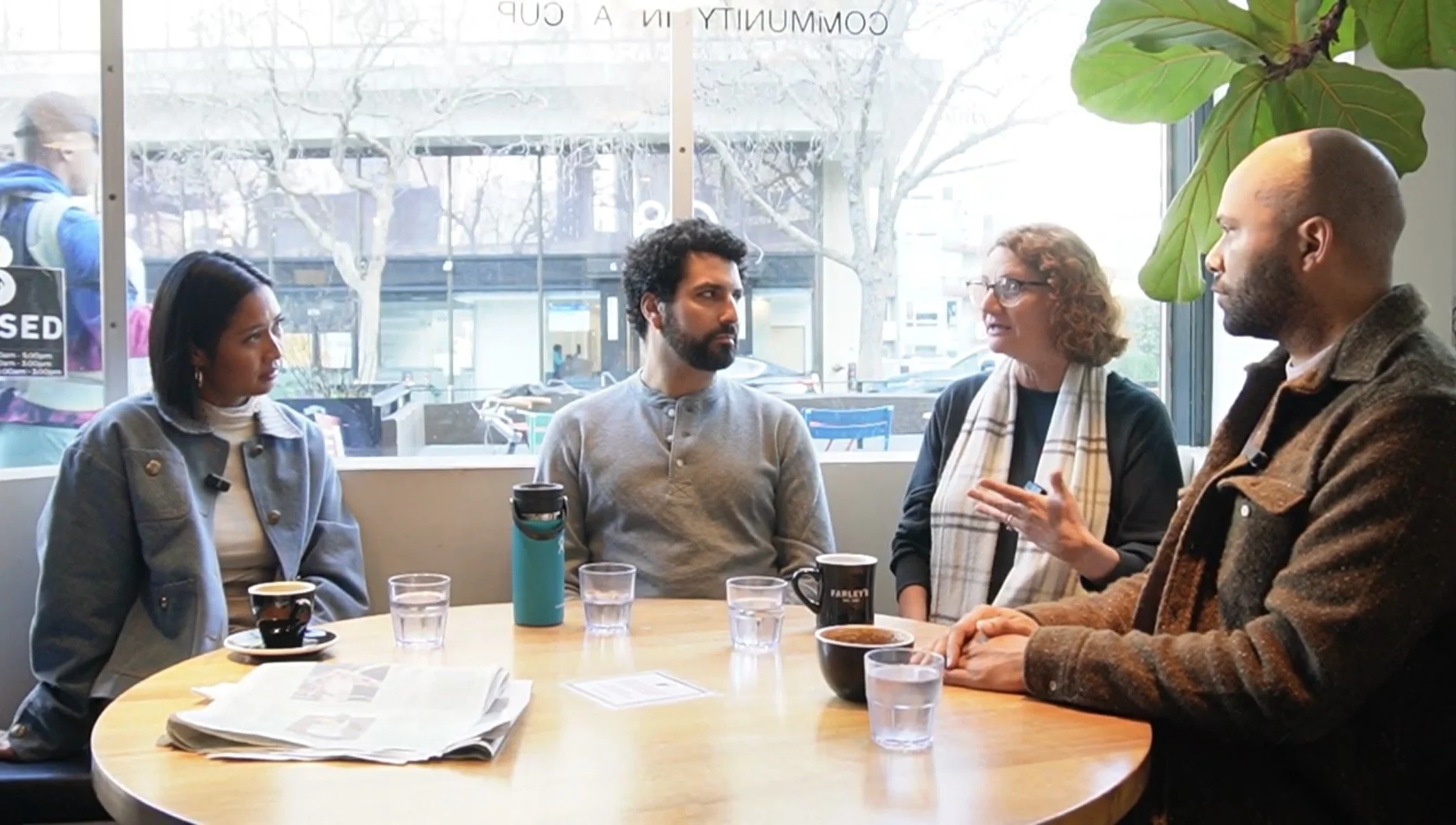
“The Missing BART Stop” with the San Antonio Station Alliance
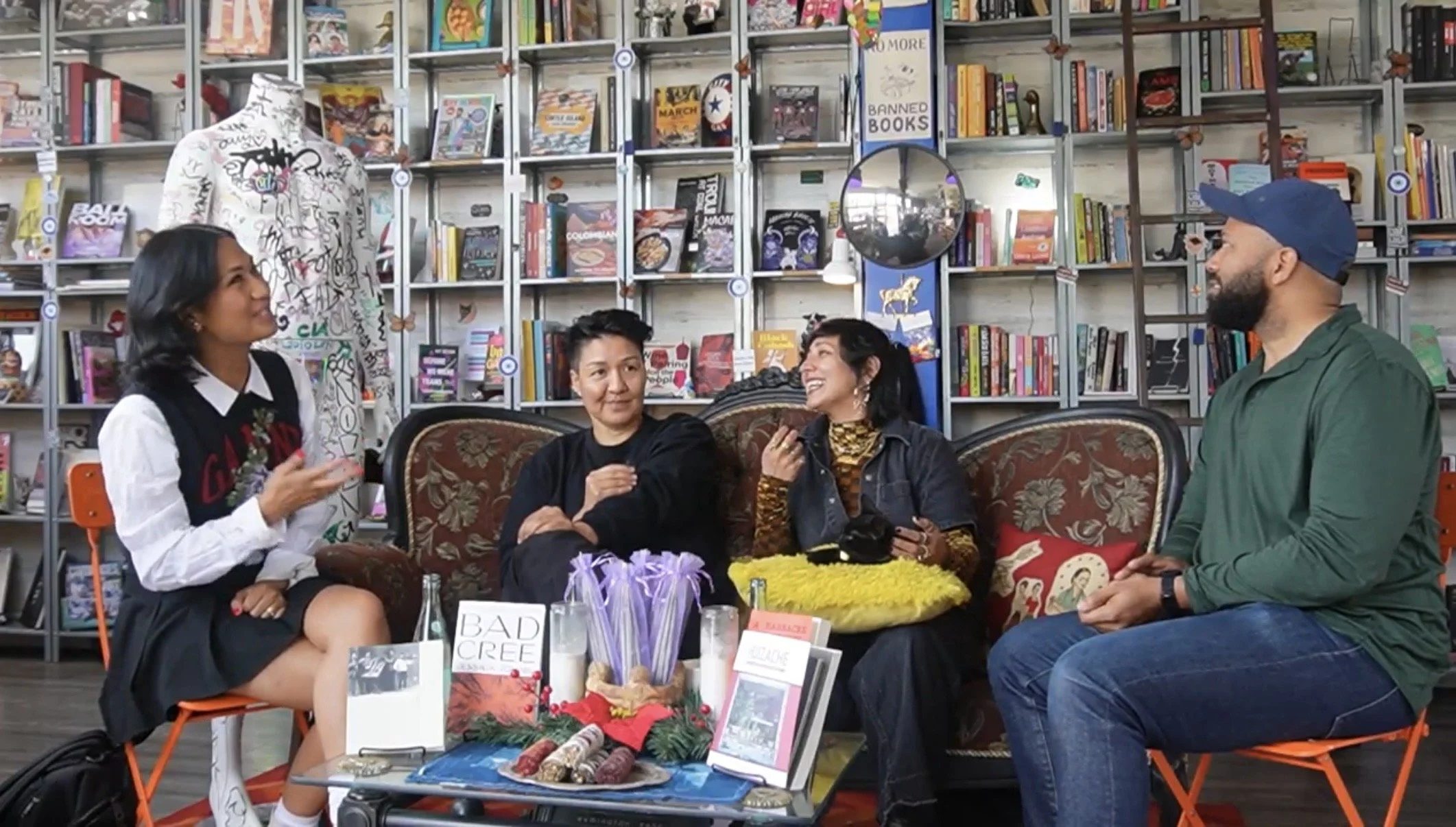
“Soul of the City” with owners Celi and Jesi of Libelula Books & Co.
CS: Let's get into some of that tension. Our team at HAC spends a lot of time fighting the "Culture of No" in city government. You see this at Bodewell too, navigating the actual implementation of some of these projects. What is the biggest "invisible wall" your show’s guests are hitting right now?
WL: There’s a disconnect for many of these folks who all experience the same problem, see a straightforward solution, and somehow the resulting ‘fix’ is impossibly expensive or overly complicated for city governments to address. It’s usually easier to permit a 100-car parking lot than it is to permit a community-led mural or a simple bench on a curb. Our guests are every-day neighborhood-level disruptors who are hacking that bureaucracy to make the city more human and livable, one block or one neighborhood at a time. On City People, Sam and I are telling the story of the effort it takes to make a neighborhood feel like home. We’re decoding the "invisible tripwires"—from insurance hurdles to maintenance gaps—that prevent a collection of housing units from becoming a great community of neighbors. Given that Sam and I have both spent a fair amount of time working in city policy and dwelling in city neighborhoods, we know we can help fill the gap.
Zooming out, at Bodewell, Luis and I often work through this same friction in larger scale projects too. Luis helped secure approval for a senior housing development in Bernal sponsored by the Bernal Heights Neighborhood Center. The project is 100% affordable, senior housing in a transit-rich neighborhood, on an underutilized Big Lots site and a surface parking lot: the exact type of housing we say we need in the Bay. Yet, even with streamlined approval, it received significant neighborhood pushback and was even appealed to the San Francisco Board of Supervisors. Ultimately the project overcame that pushback and is advancing forward. At the end of the day, we’re all working through that friction whether at HAC, Bodewell or City People, to make our neighborhoods not just affordable but livable.
CS: That synergy is key. We change the law at HAC; you and Luis navigate the delivery at Bodewell; and City Peoplebuilds the public's appetite for it. So, what’s the ultimate goal? What does a "City People" win look like?
WL: A win is turning a passive resident into an "Expert Citizen." We want to give people the vocabulary to walk into a planning meeting and advocate not just for infill housing, but for the "infill" of community – the transit, the parks, a public bathroom, and the social infrastructure that makes a city work. We want to prove that a dense California is a more joyful California.
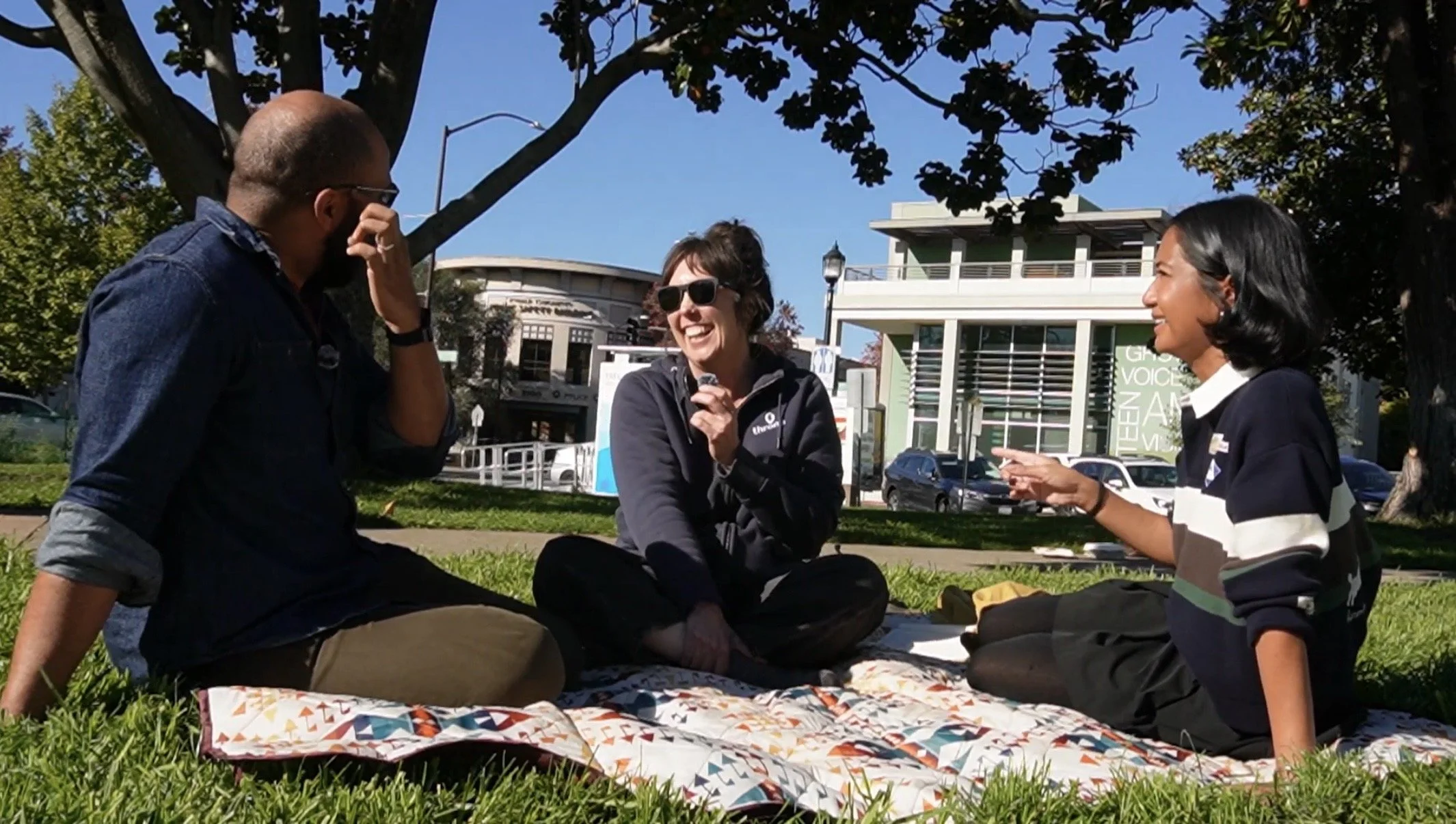
“What’s the Bathroom Code?” with Chief Operations Officer Jessica Heinzelman of Throne Labs
CS: I love that. So, what’s coming up? Give us a teaser for the next few site visits.
WL: We’ve already filmed eleven episodes with about ten more scheduled in the next few months. We’re exploring how we re-engage our transit systems through cultural programming. We have a deep dive into how we program public spaces to catalyze connectivity. We even filmed at a former cult site-turn-QPOC community retreat! And we’re traveling to different cities around the state to show that these aren't just "big city" problems; they’re California stories.
CS: Warren, this is exactly the kind of narrative we need to support the housing movement. Thanks for being on the front lines.
For more information about City People, visit www.wearecitypeople.com
Video episodes are available on YouTube https://www.youtube.com/@WeAreCityPeople
Audio episodes are available on all major podcasts
Like and Subscribe on social media @wearecitypeople
