
2025 Was A Capstone Year for Housing. What’s Next?
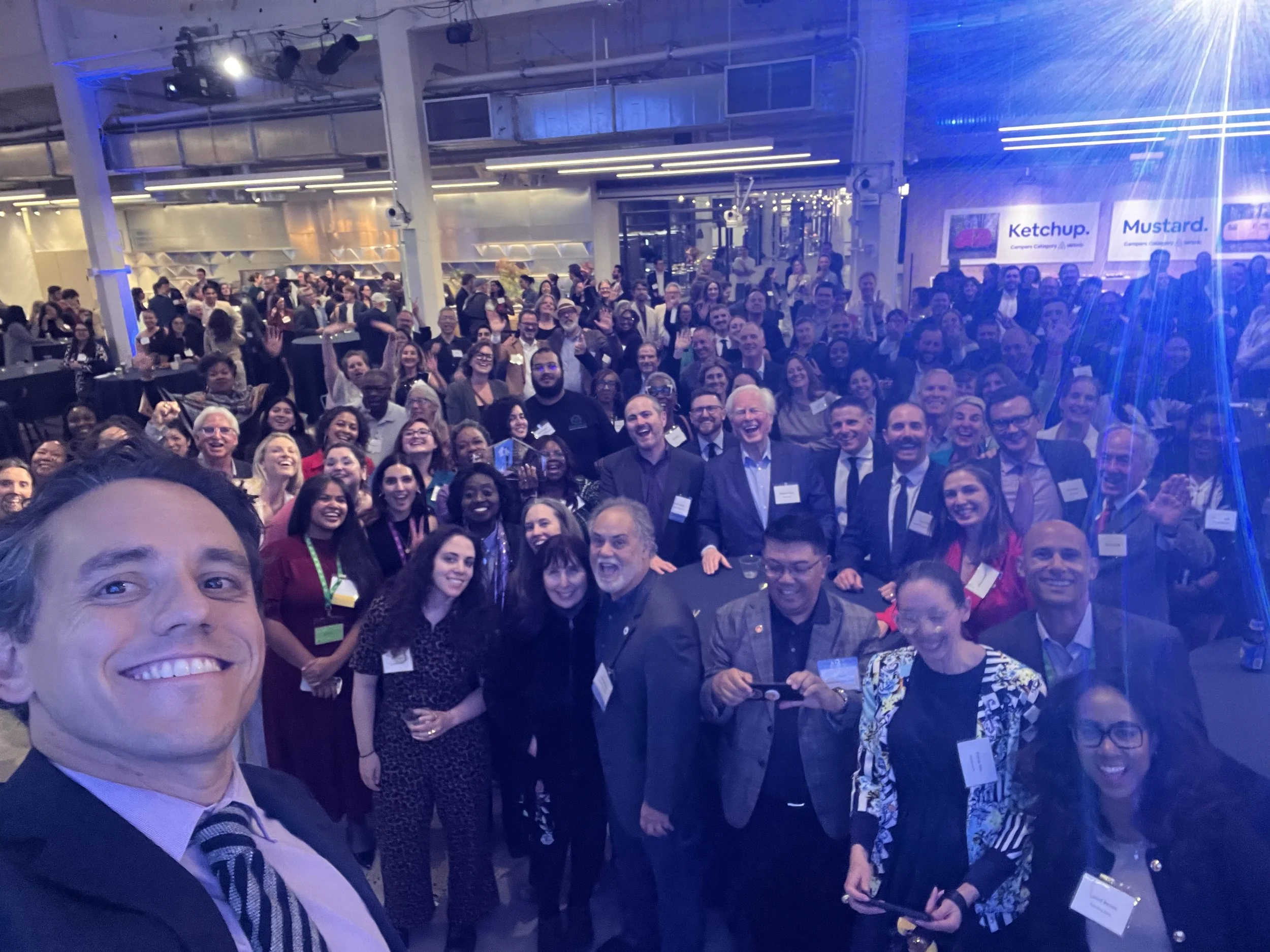
From our 23rd annual Housing Heroes event.
If you were to ask Sonja Trauss or Scott Wiener in 2017 what was on their housing reform wishlist, it likely wouldn’t take long before they mentioned widespread upzoning and CEQA reform. Well, as we near the end of 2025, both of those changes are a reality. In July, Governor Gavin Newsom signed two new bills that made landmark changes to CEQA — an effort advocates have been trying to accomplish for years. Newsom referred to the legislative changes as “the most consequential housing reform that we’ve seen in modern history in the state of California.”
Then, in October, the pro-housing movement celebrated another major victory. Senator Scott Wiener’s Senate Bill 79 passed the legislature and was signed into law. To match the boldness of Governor Newsom’s evaluation of CEQA reform, SB 79 is the most transformative land-use-related legislation passed in recent history in California.
From a policy perspective and a political perspective, the importance of the CEQA reform bills and SB 79 to the mission of building more housing in California can’t be understated. On the political front, it’s a sign California leaders are taking the state’s housing crisis as seriously as ever. To get the bill across the finish line, the Governor threatened to reject the state budget unless lawmakers passed meaningful CEQA reform. For years, changes to both CEQA laws and statewide zoning rules have repeatedly failed to gain political traction in the state’s capitol. The fact that this year was different shows that the political tide on housing is shifting.
In terms of policy, CEQA reform and zoning changes have long been north stars for pro-housing advocates. CEQA review and lawsuits have undeniably hindered housing growth for years. And the state’s restrictive zoning laws created constraints around building the dense, transit-oriented housing our state needs. Together, these reforms create new pathways to growth, potentially unlocking the development of millions of new homes
However, while the policy and political wins from this year are major steps, they’re no silver bullets. Despite some of the recent pro-housing wins, we aren’t seeing the number of cranes in the sky or shovels in the ground that we need. As we look ahead to 2026, the HAC team is starting to plan the areas of policy reform we’d like to see.
Last month, we got together with our members and policy experts to identify our statewide policy priorities for the upcoming year. During the discussion, several key themes emerged: financing and feasibility, homeownership, and construction efficiency, among others.
Here are some of the topics we discussed:
1) Feasibility & Financing Reform
Core theme: Make housing pencil through smarter taxes, flexible fees, and financing innovation.
Main takeaways:
Transfer & property taxes: Broad agreement that current structures discourage multifamily and infill development; members flagged legislative/ballot reforms that reduce transaction penalties for RHNA-advancing, climate-aligned housing.
Project-level fee reform: Strong interest in “fee realism”—aligning impact-fee timing with occupancy (not permit issuance) and tying obligations to project viability.
Financing innovation: Members highlighted regional finance tools, targeted tax incentives, and successor-agency reinvestments to close gaps—especially for middle-income and mixed-income housing.
Construction innovation: Incentives and clear statewide standards for modular/off-site delivery; align local permitting with SB 423 timelines to cut friction and cost.
2) Homeownership & Condo Reform
Core theme: Expand attainable homeownership and fix blockers.
Main takeaways:
Condo feasibility: Outdated liability and presale rules continue to stall condo construction; members want streamlined presales and sensible defect-litigation reforms.
“Fee-out” flexibility: Interest in mutually agreed city–developer fee-out options (for inclusionary or resale restrictions) to create predictable public revenue and unlock ownership projects.
Small-scale ownership: Elevate SB 684 (small-lot subdivisions) implementation to enable gentle-density ownership (e.g., duplexes/4-plexes/THs) with Habitat, SPUR, and local partners contributing expertise.
3) Clean-Up Bills & Implementation
Main theme: Fix what’s broken in otherwise successful bills.
Bills discussed:
AB 130 (environmental/tribal consultation): Inconsistent fire maps and habitat rules are creating unpredictable entitlements; expect a technical clean-up, potentially contentious.
SB 423 streamlining: Maintain/expand ministerial approvals and explore practical coordination with AB 130 provisions.
SB 1123 (vacant-land definition): Clarify “vacant,” minimum lot-size issues, and local consistency.
AB 2011 / HAA: Align timelines, appeal protections, and objective standards across accountability frameworks to reduce delay risk.
4) Dedicated Affordable Housing Funding
Core theme: Build a stable, long-term funding base for affordable housing development.
Main takeaways:
Regional/state finance authority: Interest in a vehicle that aggregates bonds, tax increment, and other sources into predictable, ongoing affordable-housing funding.
Bonds/ballot measures: 2026 opportunities (state or regional) noted as potential engines for recurring affordability investment.
EIFDs & “Redevelopment 2.0”: Use EIFDs and related tools to capture local value growth for affordable production and infrastructure—filling the post-redevelopment gap.
